Harvest is underway and Indiana farmers face market challenges

By Blair Shipp, American Soybean Association
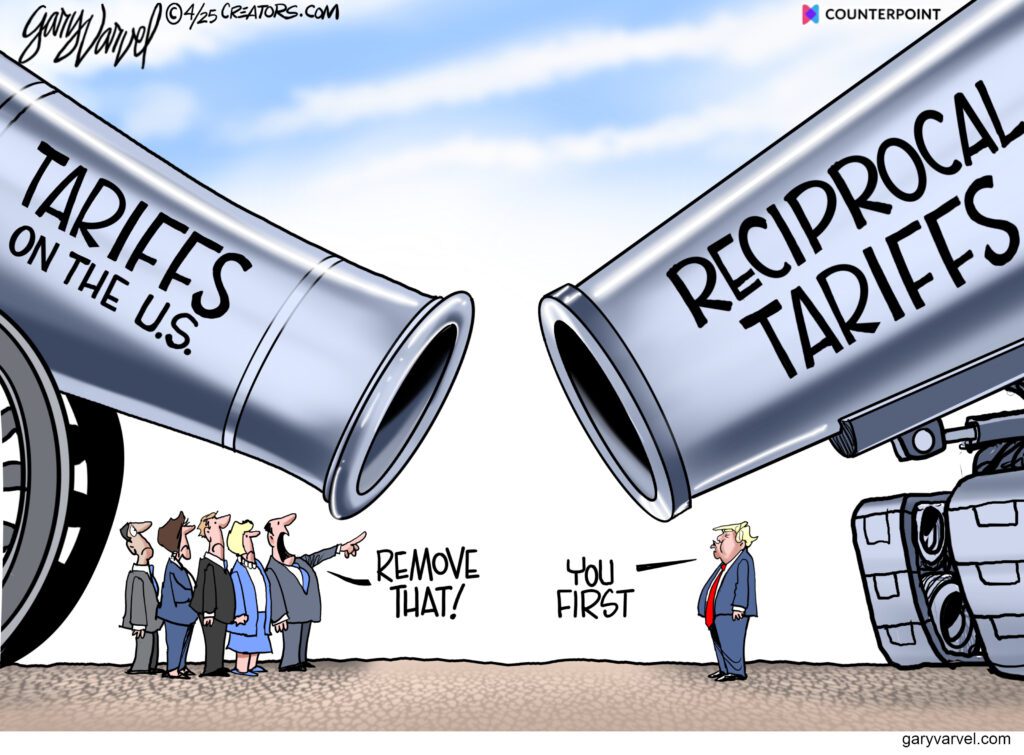
As U.S. soybean farmers head into the 2025 harvest, many face unprecedented market pressures. Retaliatory tariffs on American soybeans have made U.S. supplies less competitive in global markets, while rising input costs add financial strain at the same time farmers are bringing in this year’s crop.
With international markets shifting and domestic policy evolving, the coming months will be critical for soybean producers as they navigate challenges to maintain profitability and market access.
ASA continues to urge the White House to prioritize U.S. soybeans in ongoing trade negotiations with China. In a letter sent Aug. 19 to President Donald Trump, ASA outlined the urgent need to remove Chinese tariffs on U.S. soybeans and secure purchase commitments.
The organization highlighted that China imports more than 60 percent of the world’s soybean supply and has historically relied on U.S. producers. Retaliatory tariffs, however, have made U.S. soy roughly 20 percent more expensive than South American supplies, prompting China to turn to Brazil.
The letter, which has gained significant attention in national media, emphasized the immediate economic impact on U.S. farmers. Approaching harvest, many soybean growers have no contracts for U.S. soybeans, while input and equipment costs continue to rise.
ASA’s economics department released a white paper detailing the potential consequences of losing long-term market share in China. Current figures referenced in ASA communications reflect the situation as of mid-August 2025 and may evolve as trade negotiations continue.
The trade situation has been further complicated by a federal appeals court ruling limiting presidential authority to impose broad tariffs under the International Emergency Economic Powers Act.
The decision, which is stayed pending an expedited Supreme Court appeal, adds uncertainty to ongoing negotiations and future tariff policies. ASA continues to monitor developments closely and advocate for policies that protect U.S. soybean competitiveness.
MAHA Strategy shows progress
On Sept. 9, the White House released the Make Our Children Healthy Again (MAHA) Strategy, the second publication from the Commission since its May report. ASA commended the administration for increasing engagement with agricultural stakeholders and incorporating constructive changes, particularly in pesticide policy.
The May MAHA report criticized pesticide use, especially glyphosate and atrazine, linking them to health concerns. Since the release of the May report, ASA has been actively engaged with the Commission to ensure that agricultural perspectives are represented.
The organization met with Commission staff multiple times over several months, providing detailed recommendations on pesticide policy, precision agriculture and seed oils. ASA also coordinated with a broad coalition of food and agriculture stakeholders to provide scientific data and address misinformation, helping the Commission better understand modern farming practices and the economic realities facing soybean farmers.
These efforts contributed to revisions in the Strategy, including acknowledgment of EPA’s science-based review process, support for voluntary precision agriculture adoption, and the removal of negative rhetoric around seed oils.
Confidence in EPA review
The new Strategy acknowledges the Environmental Protection Agency’s science-based registration process and the importance of public confidence in EPA review procedures.
ASA supports efforts to improve efficiency and reduce the backlog of new pesticide label approvals while monitoring recommendations related to cumulative chemical exposure in children to ensure they remain grounded in science.
The Strategy also highlights the role of precision agriculture in reducing pesticide use, lowering input costs, and helping farmers achieve conservation goals. ASA emphasized that policies should remain voluntary and address barriers such as equipment costs and tariffs on steel and aluminum, which affect access to precision agriculture technology. Expanding access to precision agriculture while maintaining farmer choice is critical to supporting efficiency and environmentally responsible practices.
The Strategy removed negative rhetoric surrounding seed oils, marking progress in recognizing their role in a healthy diet. However, ASA will continue monitoring federal rulemaking on infant formula, ultra-processed foods, and the Dietary Guidelines for America, as upcoming policy changes could challenge soybean oil markets. ASA remains committed to promoting soybean oil as a heart-healthy alternative that supports early childhood development and maintaining access to essential markets.
Maintaining competitiveness is key
Following the Strategy’s release, the MAHA Commission will pause operations until its mandate is updated. ASA will remain engaged to ensure action items do not limit soybean market access or restrict farmers’ use of essential pesticides.
With domestic policy evolving and international markets shifting, ASA will continue advocating for soybean farmers on trade, pesticide regulations and precision agriculture.
The association emphasizes the importance of science-based policies and fair market access to maintain competitiveness for U.S. soybean producers.
Posted: September 13, 2025
Category: Indiana Corn and Soybean Post - September 2025, Industry Affairs, ISA M&P, News