Checkoff success story – From Indiana Fields to Plates in Korea and Japan
By Hannah Vorsilak
When planning dinner tonight, tofu, natto, soy sauce and soy milk probably aren’t on the menu. But for many in Japan and Korea, these soy-based foods are daily staples. And all start with one thing: soybeans.
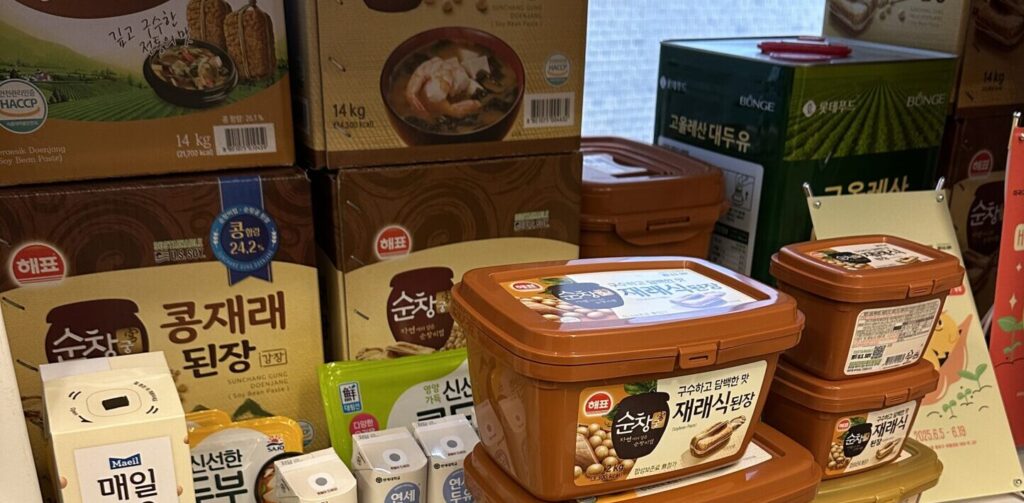
U.S. farmers have supplied Japan for 70 years and Korea for 45, providing food for millions overseas and creating important economic opportunities back home. Today, the U.S. holds 70% of Japan’s whole soybean market. For South Korea, the U.S has 50% of the whole soybean market and 70% of the food-soybean market share. Overall, the U.S is in a great position for supplying whole beans, soybean meal, soybean oil and high-value identity-preserved (IP) soybeans for food production to these key markets.
In both countries, demand for health-conscious, high-protein, nutritious foods is strong, and U.S. soy meets that need. “I’ve been growing food grade soybeans for around 11 years. These beans get cleaned, bagged and loaded into a container to be shipped to Japan,” says ISA Board Member Mike Koehne and farmer from Greensburg, IN. “These are high quality beans to be used in food products that earn a premium. It is great to know that I grow a premium product that is used as a good nutrition source for the Asian market.”
Once these soybeans leave Indiana, they’re shipped directly in containers, kept separate through the identity-preserved process, and used to make tofu, soy-based snacks, oils and other foods for consumers overseas.
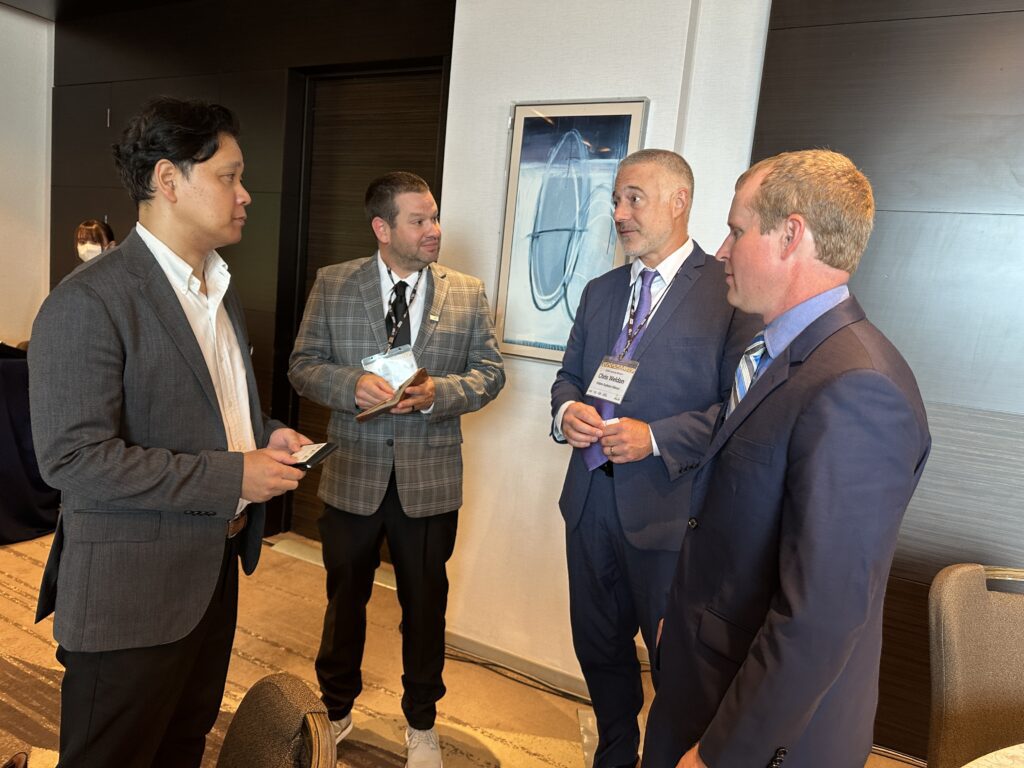
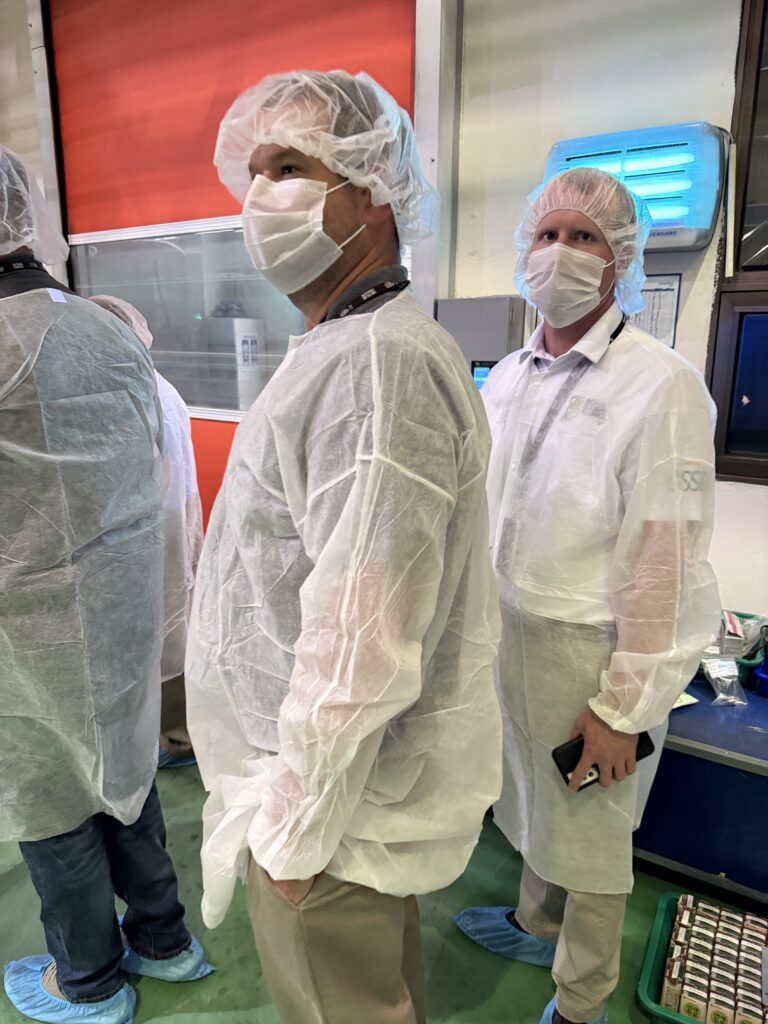
The U.S. Soybean Export Council (USSEC) has used checkoff dollars for many years to create a preference for U.S.-grown soybeans in these markets. They do this through creative marketing to consumers and discussions with executives and buyers at food companies, crushers and major trading companies. During a recent learning mission to Tokyo and Seoul, Andrew McDaniel and Mark Wenning, both Indiana Soybean Alliance Board Members, were able to hear directly from those buyers. Many buyers expressed appreciation for the quality and sustainability of U.S. soy. For example, Fuji Oil, Japan’s leading soy protein company, uses U.S. soy for oils, textured soy protein, and fermented foods like tofu. Fuji Oil imports 100% of its soybean meal and soybeans from U.S. farmers.
A key factor in this trust is the U.S. Soy Sustainability Assurance Protocol (SSAP). The soybean checkoff (through the United Soybean Board and in partnership with state soybean checkoffs) helped fund and support the creation of SSAP in 2013. SSAP is a promise that U.S. soy is grown in a sustainable, responsible way. Think of SSAP as a “report card” for U.S. soybeans – a way to show international buyers that U.S. soy is grown responsibly without adding new rules or paperwork for farmers. SSAP uses existing laws and conservation programs, like the Farm Bill, soil conservation, and water-quality protections, while independent auditors verify compliance. This gives global buyers confidence that U.S. soy is both reliable and sustainable, keeping demand strong even as competitors like Brazil enter the market. The Sustainable U.S Soy label, which requires products to contain at least 60% SSAP-verified U.S soy is used on over 300 consumer food products in Japan and 29 in South Korea.
“Like many farmers, when I pay into the checkoff, I hope it’s doing good things for our markets, but you don’t always know exactly how,” says McDaniel, who farms in Waldron, Ind. “Seeing firsthand how our beans get from Indiana fields to other countries and witnessing the tireless effort of USSEC and state checkoff committees was incredible. Without these markets, we could be facing sub-$8 soybeans. In reality, we’ve stayed fairly stable even without Chinese demand.”
U.S. soybeans are consistent, reliable and in high demand by these countries.
While in Japan, the farmers also heard from USDA Japan Minister Counselor for Agriculture Jeanne Bailey. She praised them for being there to engage in these important conversations.
“Farmers are the best ambassadors for their crops,” she said. “The Japanese have taken excellence to the forefront and appreciate in return that U.S. farmers are on the cutting edge of technology and sustainability back home.”
Posted: November 20, 2025
Category: Indiana Corn and Soybean Post - November 2025, ISA, Market Development, News, USSEC