USDA crop report lockup a unique experience
By Lori Cyr, Indiana Corn Marketing Council Board Director
Walking into the USDA South Building in Washington, D.C. for the August Crop Production and WASDE Report was an experience I’ll never forget. WASDE refers to the USDA’s World Agricultural Supply and Demand Estimates.

As a farmer from Benton County, I’ve always known how impactful these reports are on the markets, but being in the room where they are released brought that reality to life in a new way.
Indiana farmers were invited to join this lockup briefing because our state is a major producer of corn and soybeans. The numbers that USDA releases don’t just move markets on paper, but they affect real farm families, our decisions for the season, and ultimately, our livelihoods. Having Indiana farmers in the room makes sure our voices, our experiences and our perspectives are connected to the process.
The lockup itself was unlike anything I’ve ever experienced. Phones are taken away, security is tight, and there are clear moments when silence is required. It underscored how market-sensitive this information is. For three hours, we watched the process unfold, from methodology briefings to hearing directly from USDA statisticians about how the data is collected.
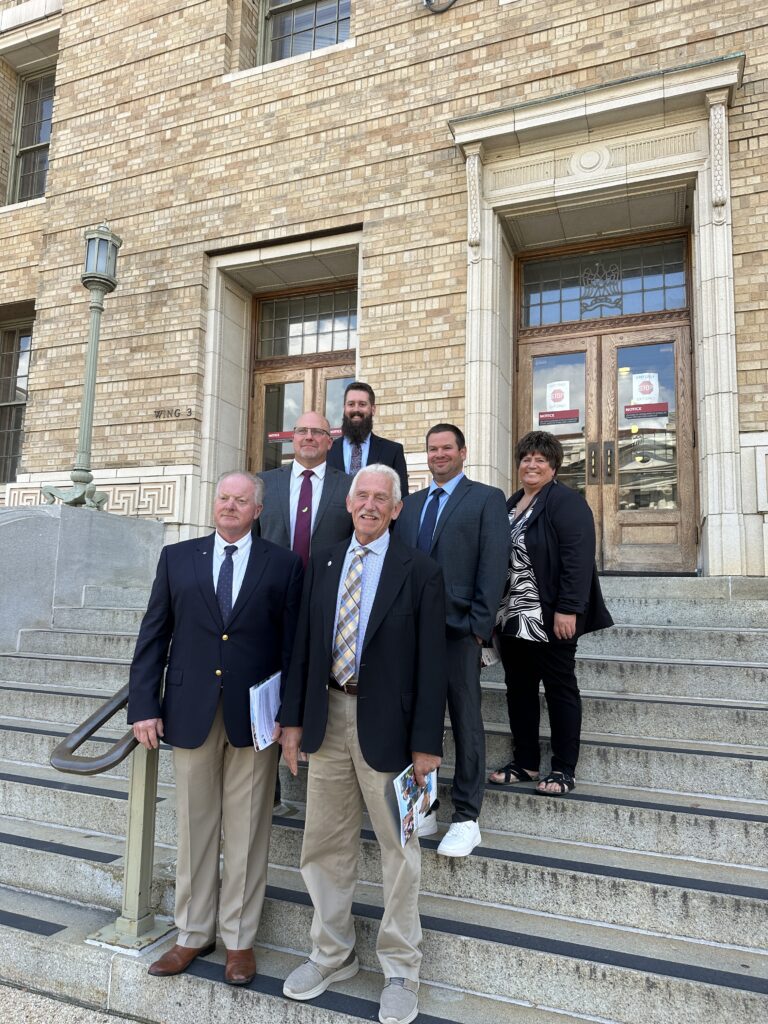
I was especially struck by the multiple ways they arrive at their estimates: farmer surveys, crop reporting from FSA, and even satellite imagery. Knowing the rigor behind the numbers gave me a better appreciation for how much effort goes into producing a report that the entire agricultural economy depends on. USDA Secretary Brooke Rollins was on hand to sign the report and also took the time to address our group of roughly 30–40 people in the room.
When the numbers were finally released, the shock was immediate. Yield and acreage estimates were higher than most of us expected. As farmers, we come in with our observations from the fields, and sometimes those don’t line up with what’s on the page. Seeing that difference firsthand and watching the immediate market reaction reminded me why this process is so critical.
For Indiana corn and soybean farmers, the latest USDA reports bring both opportunities and challenges. Corn is in strong shape, with 72 percent of the crop rated good-to-excellent, and USDA now projects a record U.S. corn harvest of 16.7 billion bushels — up 13 percent from last year — driven by a record yield of 188.8 bushels per acre and larger harvested acres. That much supply could put pressure on prices unless demand picks up through exports, feed or ethanol.
On the soybean side, production is forecast at 4.29 billion bushels, down 2 percent from 2024, as record yields of 53.6 bushels per acre are being offset by fewer acres. For Indiana growers, the message is clear: while the crops are holding strong in the field, markets may remain heavy for corn, while soybeans could see some support from a tighter balance sheet.
For checkoffs, this means we will need to continue doing what we do best – building the markets for corn and soy internationally, building demand, funding research on new uses.
For me, the biggest takeaway was confidence, not necessarily in every single number, but in understanding how USDA arrives at them. That knowledge helps me, and other Indiana farmers, make better decisions at home. Being present in the room ensured Indiana agriculture had a seat at the table in a moment that ripples across our markets and our farms.
This experience was more than a report release, it was about transparency, representation and making sure Indiana farmers are connected to the processes that shape our industry. I left D.C. with a deeper respect for the work USDA does, and with a stronger sense of why it matters that farmers like me are there to see it firsthand.
Posted: September 13, 2025
Category: ICMC, Indiana Corn and Soybean Post - September 2025, ISA, Market Development, News, USDA